
Balaram Jayanti / Hal Chhath 2026: Date, Puja Vidhi and Vrat Rules
Hal Shashthi 2026 falls on September 2. Learn the Shashthi Tithi timing, simple Puja Vidhi, fasting rules, traditional foods and the meaning of Hal Chhath.
Hal Shashthi 2026
Hal Shashthi will be observed on Wednesday, September 2, 2026.
The festival is observed on Bhadrapada Krishna Shashthi in the North Indian Purnimanta calendar. In Amanta-calendar regions, the same day falls during Shravana Krishna Paksha. Only the lunar-month name changes; the festival date remains the same.
Hal Shashthi is also known regionally as Hal Chhath, Har Chhath, Lalahi Chhath, Chandan Chhath, Kamar Chhath and Khamar Chhath.
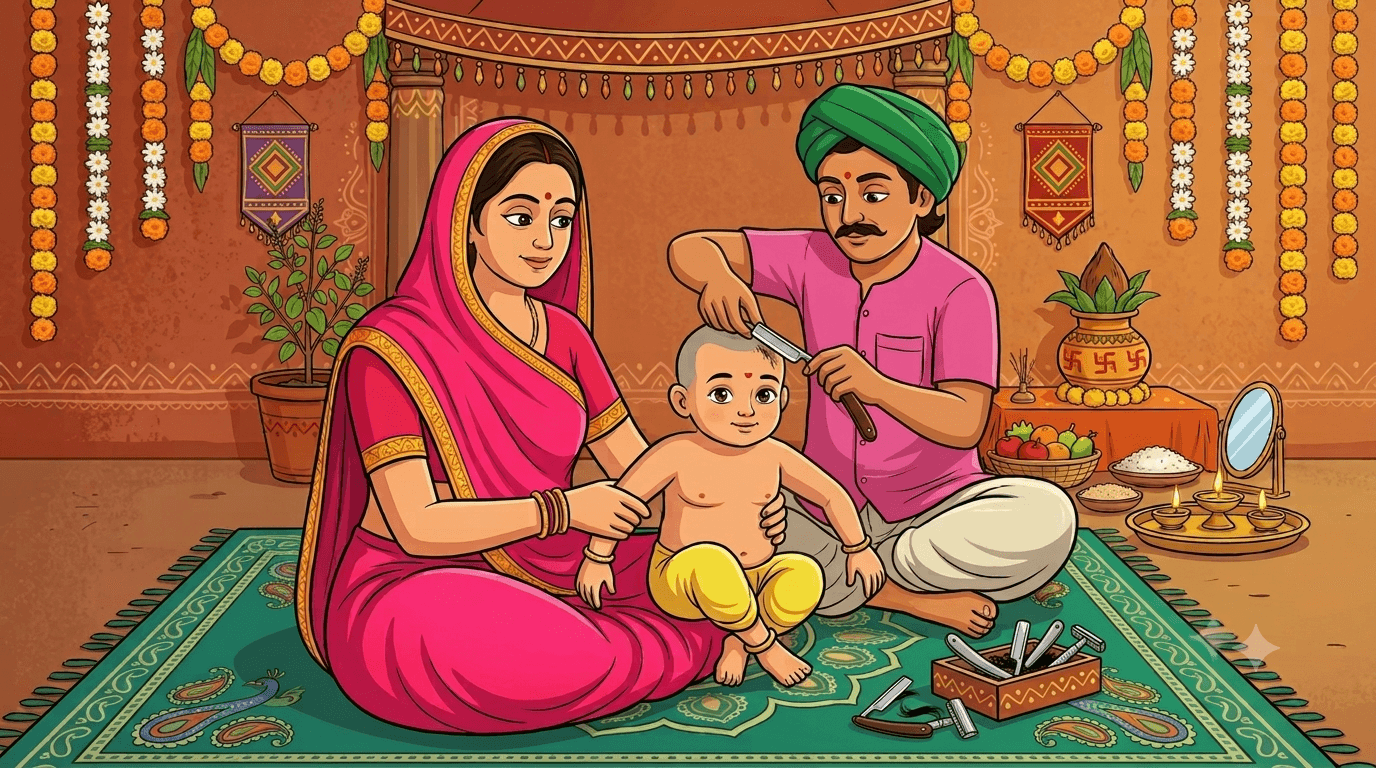
It is mainly observed by mothers who pray for the health, protection and wellbeing of their children.
Hal Shashthi 2026 at a Glance
- Date: September 2, 2026
- Day: Wednesday
- Shashthi Tithi begins: Around 6:12 AM on September 2
- Shashthi Tithi ends: Around 4:25 AM on September 3
- Associated deity: Lord Balarama and Shashthi Mata
- Other names: Hal Chhath, Har Chhath and Lalahi Chhath
The widely circulated Puja window of 6:03 AM to 9:15 AM should not be published as a fixed national Muhurat. Puja customs and local sunrise vary, and the Shashthi Tithi itself begins around 6:12 AM.
Why Hal Shashthi Is Celebrated
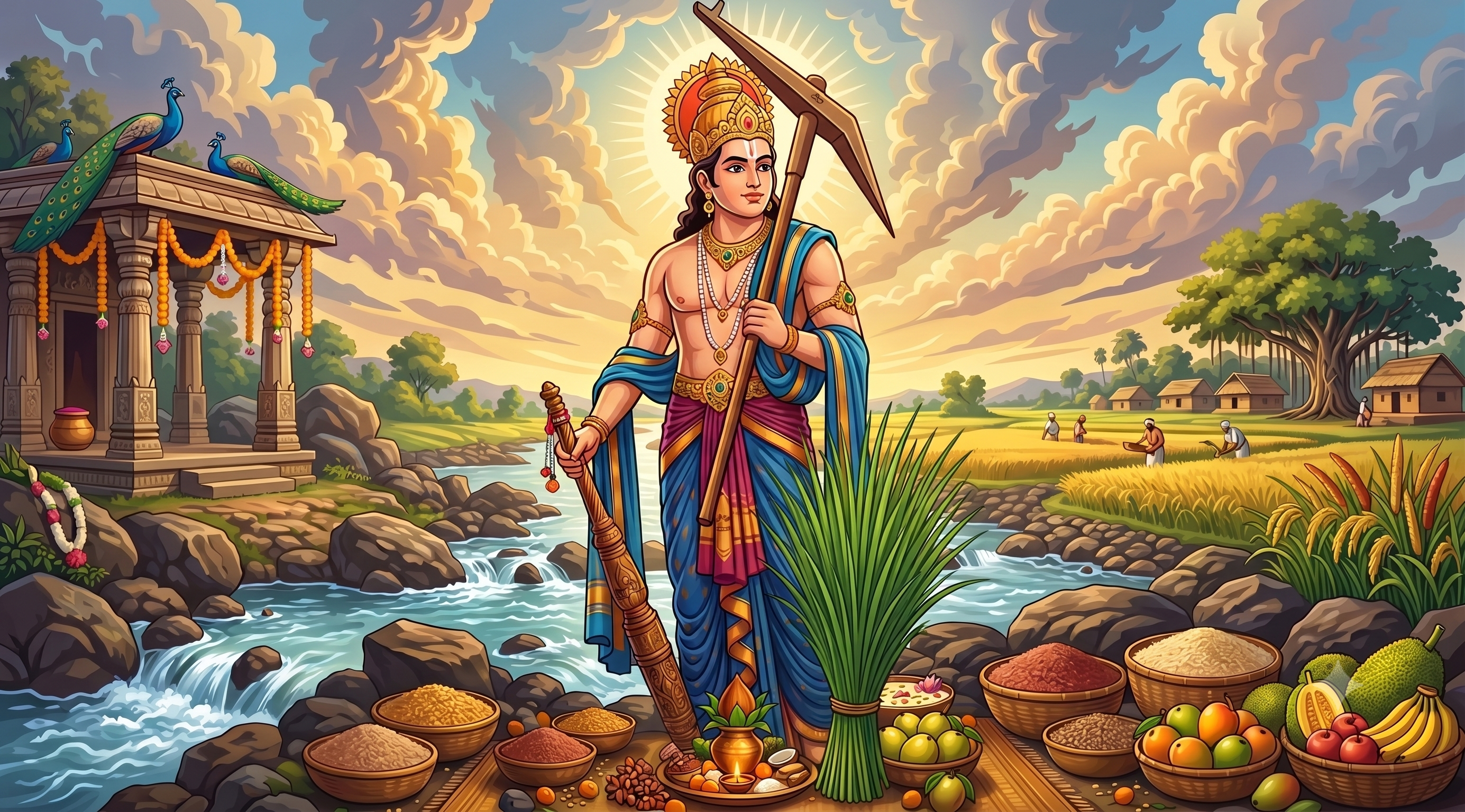
The word Hal means plough. Lord Balarama, the elder brother of Lord Krishna, is traditionally depicted carrying a plough and is therefore also known as Haladhara.
Because of this connection, devotees traditionally avoid eating produce cultivated in a ploughed field during the fast.
The observance also centres on motherhood, care and responsibility. Mothers pray not only for their children’s long lives but also for the wisdom and patience required to protect and guide them.
Traditional Vrat Rules
Customs differ between regions and families. Commonly followed traditions include:
- avoiding grains and vegetables grown in ploughed fields,
- avoiding cow’s milk, curd and related products,
- using buffalo milk or curd in traditions where dairy is permitted,
- consuming Pasahi rice, Mahua, fruit or locally accepted fasting foods,
- listening to the Hal Shashthi Vrat Katha,
- offering prayers for children’s wellbeing.
The restrictions are traditional religious practices, not medical requirements. Anyone fasting should adapt the observance to their health.
Simple Hal Shashthi Puja Vidhi
Clean the worship area after bathing.
Depending on family tradition, install a picture or symbolic representation of Shashthi Mata, Lord Balarama or the Shiva family. Some traditions join branches of Palash, Jharberi and Gular to form a symbolic Harchhath.
Offer simple items such as:
- water,
- sandalwood paste,
- Kumkum,
- flowers,
- fruit,
- betel nut,
- a safely placed lamp,
- traditional Prasad.
Listen to or read the Hal Shashthi Vrat Katha and pray for the health, good character and wellbeing of children.
The exact ritual varies significantly by region, so inherited family tradition should take priority over generic internet lists. Traditional accounts describe several regional forms of worship, including Shashthi Mata, Lord Balarama and members of the Shiva family.
What Can Be Eaten During Hal Shashthi?
Traditional foods may include:
- Pasahi or Tinni rice,
- Mahua,
- fruits,
- dry fruits,
- buffalo milk or curd where family custom permits,
- foods that are not produced from a ploughed field.
Cow’s milk and curd are traditionally avoided in many communities. Regional rules can differ, so devotees should follow their family practice.
Food offered during the Puja and food eaten by the fasting person are not always the same. Do not assume every item placed in the Puja plate is permitted as fasting food.
Hal Shashthi and Balarama Jayanti
Hal Shashthi is associated with Lord Balarama because the plough is his principal symbol.
However, some calendars separately observe Balarama Jayanti on September 16, 2026, during Bhadrapada Shukla Shashthi. Therefore, these two festival names should not automatically be treated as identical in every tradition.
For festival dates and observances, use the Hindu Calendar. For location-based Tithi and Puja timing, check your city’s Daily Panchang. For nearby Shravan festival dates, read the complete Sawan 2026 guide.
Frequently Asked Questions
When is Hal Shashthi in 2026?
Hal Shashthi falls on Wednesday, September 2, 2026.
When does Shashthi Tithi begin?
It begins at approximately 6:12 AM on September 2 and ends around 4:25 AM on September 3.
What is Hal Shashthi called in Hindi-speaking regions?
It is also called Hal Chhath, Har Chhath, Lalahi Chhath, Kamar Chhath and Chandan Chhath.
Can cow’s milk be consumed?
Many traditional Hal Shashthi practices avoid cow’s milk and curd. Buffalo milk products may be used in some communities.
Is Hal Shashthi the same as the November Chhath Puja?
No. Hal Shashthi is a separate maternal fast observed on Krishna Shashthi. The major Kartik Chhath is a four-day festival centred on the worship of the Sun.